What Is Crawl in SEO? Crawling, Crawlers, and How to Check
A crawled page has been fetched, not indexed or ranked. Here is what crawlers do, why a route can stay invisible, and how to check crawling from logs, robots.txt, and sitemaps.
On this page
- What does crawl mean in SEO?
- What is a crawler in SEO?
- How crawling works from URL discovery to fetch
- Why a search engine may not crawl a page
- How to check whether your site is being crawled
- How to fix crawlability problems in a code repository
- Crawling checklist and key takeaways
- When not to treat crawling as the main problem
- References
What is crawl in SEO? SEO crawling is the process of automated search-engine crawlers discovering and fetching pages and resources from a website. Crawling lets a search engine inspect a URL, but it doesn’t guarantee indexing or a place in search results.
For developers, crawlability is something you can inspect in source files, HTTP responses, access logs, robots.txt, and XML sitemaps. The useful question is practical: can a search engine find the URL, access it, fetch its content, and follow the next link?
What does crawl mean in SEO?
Crawling is the first stage in a search engine’s process. An automated program requests a URL, reads the response, and may fetch related resources such as HTML, images, CSS, and JavaScript. Google describes crawling as using automated software to discover pages and understand them.
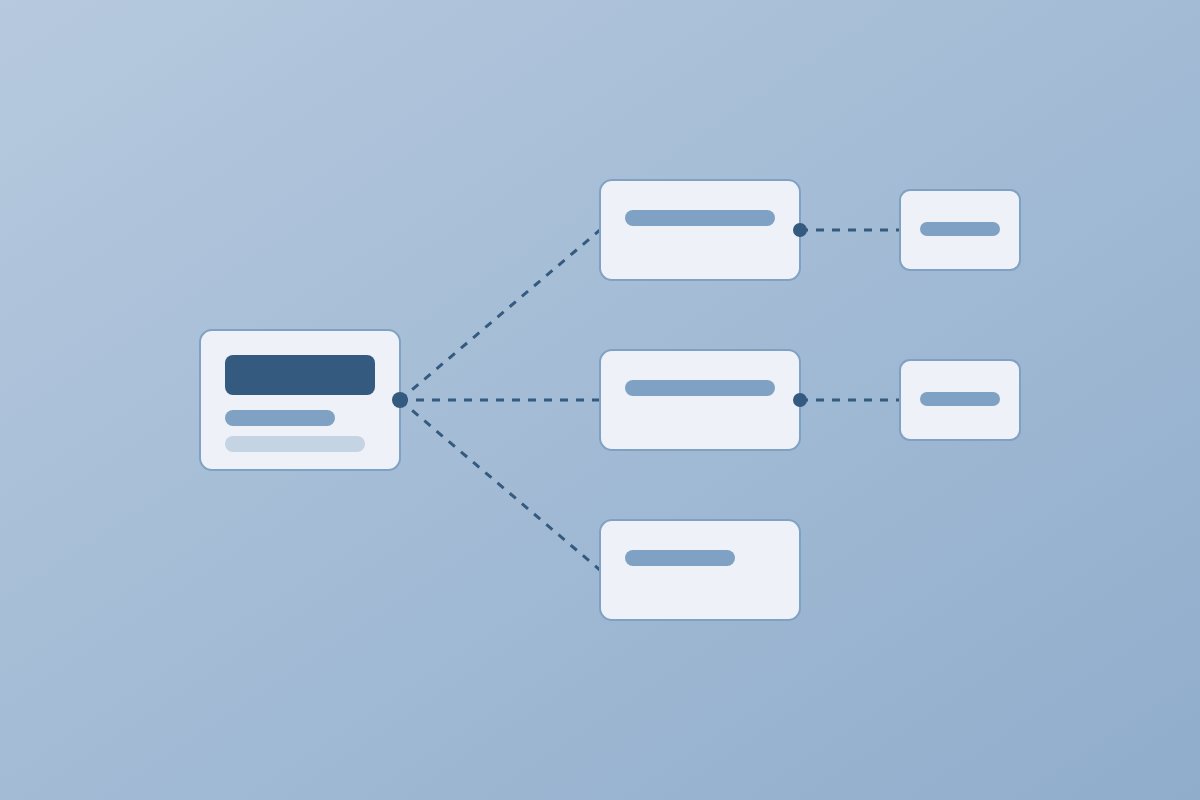
Suppose a product page is linked from your site’s navigation. A crawler requests that page, receives an HTTP response, reads its HTML, extracts links, and adds discovered URLs to a queue for later requests. A page with no internal links can remain invisible even when its route works perfectly in a browser.
Crawl, index, and ranking describe different events:
| Stage | What happens | Developer question |
|---|---|---|
| Crawl | A search engine discovers and fetches a URL. | Can the bot reach and load the page? |
| Index | The search engine analyzes the fetched content and decides whether to store it. | Does the page qualify for the index, and is its canonical URL clear? |
| Rank | The search engine selects and orders eligible pages for a query. | Does the page satisfy the query better than alternatives? |
Google states that pages can fail to pass any one of these stages and that it doesn’t guarantee crawling, indexing, or search visibility, even when a site follows its guidance. A crawl problem therefore needs a technical diagnosis before you change content or metadata.
A crawled page has been fetched; an indexed page has been stored; a ranked page has been selected for a search query.
What is a crawler in SEO?
What is a crawler in SEO? A crawler is automated software that requests web pages and follows permitted paths to discover and fetch content. Search teams also call crawlers bots, spiders, fetchers, or user agents. The name changes by search engine and task, so a Googlebot request won’t behave exactly like a crawler used for images, shopping, or another search service.
Crawlers discover URLs through links, XML sitemaps, redirects, and previously known addresses. On a page, they can read the HTML response, title, headings, links, canonical tag, structured data, and robots directives. A crawler may also render JavaScript and request resources needed to see content, although rendering behavior and timing differ between systems.
For example, a JavaScript-only product grid might show ten products to a visitor after execution. If the server sends an empty application shell and the product URLs appear only after a client-side event, discovery becomes harder. Server-rendered links or an XML sitemap give crawlers a direct path to those URLs.
A canonical tag suggests which URL represents duplicate content. A noindex directive asks a search engine not to store a page. Structured data describes entities such as products or articles. None of these instructions turns a crawl into an indexing guarantee.
Google documents separate crawlers for different products and recommends identifying legitimate requests through documented user-agent details and IP verification. Treat a user-agent string alone as a clue, not proof. Any client can send a string that says “Googlebot.”
How crawling works from URL discovery to fetch
A crawl usually follows a sequence, although search engines keep their scheduling systems private. Trace each stage against one representative URL rather than assuming the homepage represents the whole site.
- Discovery. A crawler finds a URL in an internal link, an XML sitemap, a redirect, or an existing crawl record. A new route such as
/docs/apineeds at least one discoverable path. - Permission check. The crawler reads
/robots.txt, a file that tells compliant crawlers which paths they may request. A disallowed path cannot be reliably inspected. - HTTP fetch. The server returns a status code. A
200response supplies content, a301or308points to another URL, a404reports a missing resource, and a5xxresponse signals a server failure. - Rendering and resources. The crawler may process JavaScript and request stylesheets, images, or API responses. Important text and links should still exist in crawlable HTML where possible.
- Scheduling. Search engines decide whether and when to crawl again based on factors such as site capacity, change signals, URL importance, and crawl demand. “Crawl budget” describes the resources a search engine allocates to crawling a site; it isn’t a fixed quota shared by every website.
Robots.txt and noindex solve different problems. Robots.txt controls access to a path. Noindex is a page-level indexing instruction that generally requires the crawler to access the page and read the directive. Blocking a page in robots.txt can prevent the crawler from seeing its noindex instruction.
Google’s explanation of Search separates crawling, indexing, and serving results, so fixing fetch access is only the first part of the work. Once a page is fetched, how often Google indexes websites covers what decides when it shows up in results.
Why a search engine may not crawl a page
A page can work for a logged-in developer and still fail for a crawler. Use the symptom table below to inspect the route, deployment, and server response instead of guessing from search visibility alone.
| Symptom | Likely cause | Developer action |
|---|---|---|
| URL never appears in crawl logs | No internal links, missing sitemap entry, or orphan route | Add a relevant HTML link and include the canonical URL in the sitemap. |
Many requests contain ?sort= or filters |
Query-parameter crawl trap | Choose which parameter URLs matter, canonicalize duplicates, and avoid generating endless link combinations. |
| Calendar pages create unlimited dates | Infinite archive or filter navigation | Link only valid, useful date ranges and stop pagination at a defined boundary. |
Responses return 5xx or time out |
Server errors, overloaded origin, or slow data dependency | Review application and CDN logs, then make the route return a stable response. |
| Every URL redirects several times | HTTP-to-HTTPS, host, trailing-slash, or deployment rules overlap | Return one direct redirect to the final URL. |
New routes return 401 or 403 |
Accidental authentication or environment protection | Test the production route without credentials and adjust access rules. |
Links return 404 after deployment |
Generated route mismatch or stale build output | Test representative routes in CI before shipping the release. |
A crawl issue isn’t automatically an indexing issue. If the server returns 200 and the crawler fetches the page, the next investigation may involve duplicate content, canonical selection, content quality, or an intentional noindex directive.
How to check whether your site is being crawled
Start with evidence that belongs to your site. A dashboard can summarize problems, but logs and repository files show the exact request and the rule that produced it.
- Inspect robots.txt. Open
https://example.com/robots.txtand verify that important paths aren’t disallowed. Check that the sitemap URL is correct if you declare one. - Validate the XML sitemap. Confirm that each listed URL uses the preferred host and protocol, returns
200, and isn’t blocked by robots rules. Remove redirected, deleted, or parameter-heavy URLs. - Review access logs. For each request, record the user agent, URL, timestamp, status code, and response time. A repeated bot request with
200confirms a fetch, not an index decision. User-agent strings can be spoofed, so use known crawler verification methods before treating traffic as genuine. - Inspect representative URLs in Search Console. Test the homepage, a content page, a dynamic route, and a recently changed page. URL Inspection can show whether Google could access a URL and what it discovered. The Google Search Console from the CLI workflow suits teams that review evidence from a terminal.
- Run a technical crawl. Compare discovered URLs with the sitemap and internal-link graph. Test templates, not only the homepage. SEOAgent’s SEO optimization in your codebase capability is designed for audits that lead to repository changes.
Google’s Crawl Stats report records request counts, response details, and availability issues for qualifying root-level properties. Google says smaller sites generally don’t need that report’s level of detail, but logs remain useful when a deployment has broken a route.
A crawler log proves what a bot requested; it does not prove that a search engine indexed or ranked the response.
How to fix crawlability problems in a code repository
Fix the source of the response, not the symptom in a dashboard. A practical repository review covers links, route output, metadata, access rules, and deployment tests.
- Create discoverable links. Add an ordinary anchor from a relevant page to important routes. A link component should render a real destination such as
/guides/crawlability, not wait for a click handler to invent the URL. - Generate and validate a sitemap. Build it from published canonical routes. On a Next.js site, adding a sitemap in Next.js walks through the
app/sitemap.tsroute. Exclude drafts, authenticated pages, redirect targets, and URLs that return errors. - Set metadata deliberately. Generate one canonical URL per page and apply
noindexonly to pages that should stay out of the index. Keep robots rules in a reviewed route or public file. - Return correct status codes. Deleted content should return
404or410when appropriate. Moved content should redirect directly to its final URL. A custom “not found” page with an HTTP200hides broken routes from your monitoring. - Keep key content in HTML. If a page depends on client-side rendering, verify that the rendered version contains its text and links and that required resources are accessible.
A framework-neutral example of a robots file looks like this:
User-agent: *
Allow: /
Disallow: /admin/
Sitemap: https://example.com/sitemap.xml
Review the exact syntax and deployment location for your framework. With SEOAgent, the audit runs through your own coding agent and model, proposed fixes are written into the repository, and you approve each change before shipping. It doesn’t publish to a CMS. The SEOAgent for Claude Code workflow shows that setup end to end.
Crawling checklist and key takeaways
Use this five-minute pass before a release or after a routing change:
- Important URLs have at least one crawlable internal link.
robots.txtallows intended public paths.- The XML sitemap contains canonical URLs that return
200. - Public pages don’t contain accidental
noindexdirectives. - Redirect chains are short and point to final URLs.
- Server errors, authentication barriers, and deployment-generated broken routes are resolved.
- Logs show legitimate crawler requests with timestamps, status codes, and acceptable response times.
- Representative templates work, including JavaScript-rendered routes.
When not to treat crawling as the main problem
Investigate indexing or ranking instead when the URL is fetched successfully, the page has an intentional canonical, and no robots or noindex rule blocks it. The same applies when the problem affects only one query while other pages crawl normally, or when the page is a deliberate private, duplicate, filtered, or temporary route.
What is crawl in SEO? It is the discovery and fetching of web pages and resources by automated search-engine software.
What is crawler in SEO? It is the automated program that requests URLs, reads permitted content, and discovers additional URLs through links and sitemaps.
Check the route in the repository, the response in production, and the request in the logs. That sequence gives you a concrete next action before you change content or chase rankings.
References
Put SEO on autopilot in your own editor
SEOAgent runs as a free skill inside Claude Code, Cursor, and Codex — on the model you already pay for. Audit, plan, and write SEO content right in your repo, with every change reviewed before it ships. No second AI subscription.
What do you use to work on your site?
Pick one above and we take you to the right setup.